


Depot Charging Scheme (DCS): applications are closed
Heavy-duty infrastructure funding for HGVs, vans, and coaches
The Depot Charging Scheme part-funds charge point and civil costs at fleet depots for battery-electric HGVs, vans, and coaches. It is a £170 million programme from April 2026 to 2030. It is not a Workplace Charging Scheme voucher, and it does not pay for the vehicles. Find a Grant says the scheme is not currently open to applications.
Status (29 September 2026): Window 1 closed on 30 June 2026. That round covered 70% of charge point and civil costs, up to £1 million across all sites. The next window is expected from 28 October 2026 to 29 January 2027. Terms and grant rates for that phase are not confirmed. Do not model 70% or £1 million for it.
ZOLB EV turns grid constraints, DNO lead times and depot layout into an application-ready technical narrative — your commercial EV installation partner alongside the official rules, not a substitute for them.
- Applications closed
- Next window expected 28 Oct 2026
- Window 2 rates not confirmed
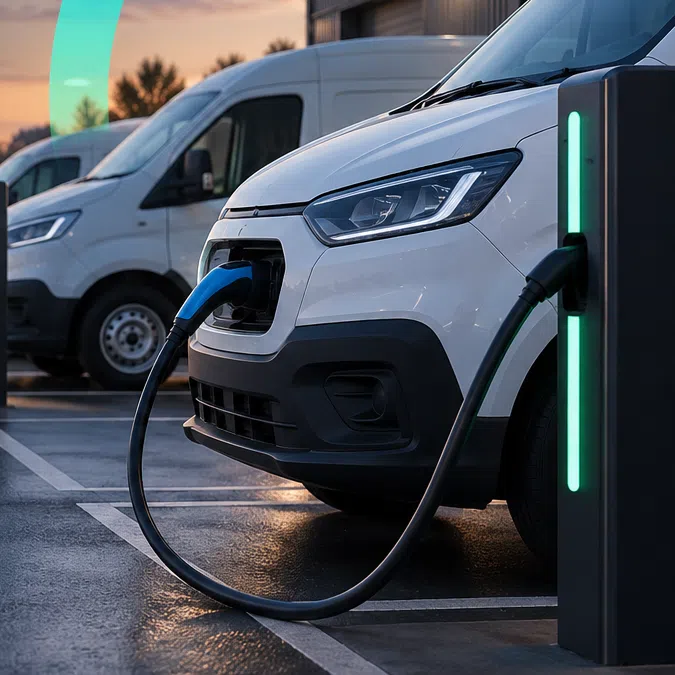
Plan the depot while applications are closed
The scheme page is the rules. These two pages are the depot itself: what to install, and what diesel costs against electric before any grant.

What Find a Grant says now
Checked against the Depot Charging Scheme listing on 29 September 2026. The page can change. Read it again before you apply or put a grant rate in a model.
| Feature | Official position |
|---|---|
| Applications | Not currently open. A further window is expected to open on 28 October 2026, with more detail published then. |
| Dates on the listing | Opening date 25 March 2026, midday. Closing date shown as 27 October 2026, midday. |
| Programme | £170 million from April 2026 to 2030. £66 million across two windows this year: £28 million for Window 1 spend in 2026/27, and £38 million for Window 2 spend in 2027/28. |
| Window 1 | Opened 25 March 2026 and closed 30 June 2026, or earlier if the pot ran out (at least 3 working days’ notice on the listing). First-come, first-served. 70% of charge point and civil costs, up to £1 million across all sites. One application per organisation, no limit on the number of sites. Works must be finished by 31 March 2027. Award decisions were aimed for 30 September 2026. Spend is eligible only after the grant agreement is signed. |
| Window 2 | Expected 28 October 2026 to 29 January 2027. Projects may begin from April 2027 and must be delivered by 31 March 2028. Terms and grant rates are not confirmed. Rates will fall over the life of the programme, so do not carry 70% or £1 million into a Window 2 model. |
| Vehicles | Buying the vans or HGVs is a separate route, the Zero Emission Van and Truck Grant. |
Who can apply
Find a Grant says an organisation is in scope when all of these are true:
- It is registered and operating in the UK, and both the organisation and the fleet have been operating here for at least a year. The Crown Dependencies (Isle of Man, Jersey and Guernsey) are not included.
- It owns or leases at least one UK depot. Funding is used only in the UK.
- The fleet includes, or will include, at least one battery-electric van, HGV or coach, and the application quantifies what that does to charging demand.
- A senior leader has approved the proposal.
- Funded chargers are primarily for commercial vehicles. If other fleet operators share them, pricing is cost recovery for at least three years after the award.
- The same works do not also take similar government funding. The applicant agrees to monitoring, including site visits, and to the grant funding agreement.
The eligibility list still says successful applicants will install by 31 March 2027. That matches the Window 1 completion date. The same listing gives Window 2 projects a delivery date of 31 March 2028. Use the date for the window you are actually in.
What to have ready
The listing says its own templates must be used. Alternatives are not accepted. That set includes the application form, workbook and letter of intent, plus the FAQ, the application-process overview, a draft grant funding agreement and an information session video. A depot survey now means addresses, vehicles, dwell and a first view of power and civils can go into that pack if the 28 October window opens as described. Running costs without a grant rate belong in the diesel vs electric calculator.
DCS vs WCS: which grant fits your site?
Choosing the wrong scheme wastes time and can risk technical disqualification. In headline terms:
- Workplace Charging Scheme (WCS): Best for office staff parking and light-duty visitor charging. Voucher-style route with per-socket caps in current guidance (e.g. £500 per socket from 1 April 2026 completions in publicised workplace rules — always cross-check GOV.UK).
- Depot Charging Scheme (DCS): Purpose-built for fleet operations: high-power dispensers, significant civils (trenching, substations, hardstanding), and the infrastructure to turn around HGVs, coaches, and large van fleets.
If you operate both patterns, you may need both programmes across different sites — map use cases before you upload evidence.
Why ZOLB EV is your depot delivery partner
A credible DCS pack is more than a generic quote. Window 1 projects had to finish by 31 March 2027. If the next window opens on 28 October, those projects may start in April 2027 and must be delivered by 31 March 2028. The survey should match the window you are preparing for, and it should not assume a Window 2 grant rate.
1. Grid and DNO capacity modelling
We baseline existing supply and run the Distribution Network Operator (DNO) path with you. A connection offer is often the pacing item for a defensible bid; we help you chase clarity early so your programme dates are not fiction.
2. Layout and civil engineering
Depots are high-traffic environments. We design bays around HGV turning circles, trailer swing and driver safety. Trenching, cabling and concrete were inside the Window 1 eligible costs, which covered 70% of charge point and civil costs. Window 2 has not confirmed a rate.
3. “Application-ready” documentation
We supply single-line diagrams, hardware specifications and phased delivery milestones formatted for the Find a Grant portal — you remain the applicant, we supply the install narrative. Depot hardware and the survey sit on EV fleet charging. When you are ready to move from paper to steel, we deliver commercial EV charging through energisation. Contact ZOLB EV with your depot list and vehicle plan.
Frequently asked questions
Is the Depot Charging Scheme open?
No. Find a Grant says the scheme is not currently open to applications. Window 1 closed on 30 June 2026. The next window is expected from 28 October 2026 to 29 January 2027. Terms and grant rates for that phase are not confirmed. The listing header also shows a closing date of 27 October 2026, midday. Check the page before you apply.
Can we apply for multiple depots in one bid?
Yes, inside one application. Window 1 allowed one application per organisation and no limit on the number of sites inside it. The £1 million cap was across all sites in that closed round. Do not assume the same cap for Window 2 until Find a Grant publishes the rate.
Do we need the electric vehicles on site today?
The fleet must include, or will include, at least one battery-electric van, HGV or coach. The application has to show what that does to charging demand. You do not have to have the vehicle on site today. Match the wording on the live eligibility list.
Related grant programmes
Three programmes only — each card uses the same hero imagery as the target landing. Wider UK notes sit on the EV charging grants hub.

Applications are closed. Get the depot ready anyway.
A survey now maps power, civils and the vehicle plan so the official templates can be filled in if the next window opens on 28 October. Confirm the live status on Find a Grant before you apply.
Let’s build a depot that powers your business, backed by the maximum available government support — always verify the live Find a Grant listing.