


Scotland: Rural and Island Infrastructure Fund (RIIF)
Powering remote destinations with 75% to 100% funding
The Rural and Island Infrastructure Fund (RIIF) is a Scotland-specific route designed so remote communities, tourism hubs and island destinations are not left behind in the EV transition. It is backed by Transport Scotland and administered by the Energy Saving Trust, prioritising areas where large urban charging networks rarely reach.
From April 2026 the fund is officially reopened (publicised reopening 13 April 2026). If you own or operate land in a qualifying rural or island postcode, you could access up to 100% funding for eligible public-facing chargepoints — subject to programme rules, URC category and unit power band. Unlike standard workplace grants, RIIF focuses on public accessibility: chargers must be usable by the public and appear on a public map so residents and visitors can find them. Confirm every detail on Energy Saving Trust and Transport Scotland materials before you spend.
- OPEN · Reopened 13 Apr 2026
- 75–100% by URC / islands
- Up to £300k innovation
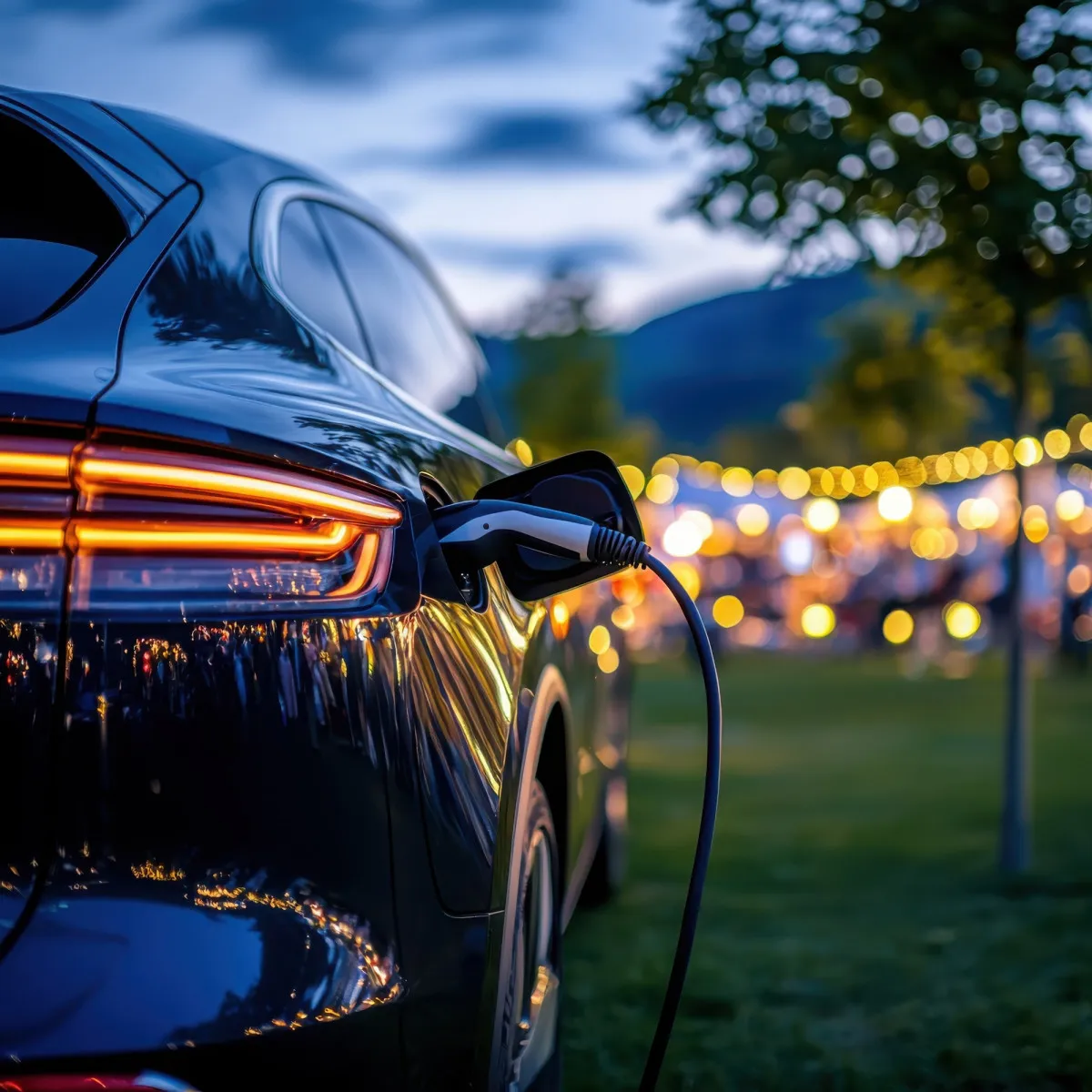
Council-led public network expansion? See the Scotland EV Infrastructure Fund (EVIF). Staff-only workplace bays? See the Workplace Charging Scheme (WCS).
At a Glance: The 2026 Funding Model
Unlike standard workplace grants, RIIF focuses on public accessibility. Eligible chargers must be publicly usable and meet the programme’s mapping and regulatory requirements — confirm wording on Energy Saving Trust application guidance.
| Feature | Details |
|---|---|
| Status | OPEN — publicised reopening 13 April 2026 (confirm current window on official programme pages) |
| Geography | Scottish Islands and URC postcode categories 5–8 (verify your site against the official URC lookup) |
| Funding level | 75% (URC 5–6) or 100% (URC 7–8 and Islands) of eligible costs where programme rules apply |
| Max cap (standard stream) | Up to £60,000 per qualifying high-power unit — caps scale by power band and URC tier (see tables below) |
| Innovation stream | Up to £300,000 for integrated projects combining EV charging with solar PV and/or battery energy storage where programme criteria are met |
| Requirements | Must be publicly accessible and meet Public Charge Point Regulations 2023 (including contactless payment and reliability expectations set out in official rules) |
| Administration | Energy Saving Trust on behalf of Transport Scotland |
How Much Can You Claim?
Funding scales with charger power and remoteness (URC band / island status). Figures below follow the 2026 tiering narrative used in programme summaries — always reconcile to the official grant calculator and terms before you budget.
Standard infrastructure grant
| Charge point type | URC 5–6 sites (75% grant) | URC 7–8 & Islands (100% grant) |
|---|---|---|
| AC (3.7kW – 22kW) | Up to £11,250 | Up to £15,000 |
| DC (20kW – 49kW) | Up to £22,500 | Up to £30,000 |
| DC (50kW – 124kW) | Up to £33,750 | Up to £45,000 |
| DC (125kW – 350kW) | Up to £45,000 | Up to £60,000 |
The innovation stream: up to £300,000
Where the grid is constrained, RIIF’s innovation route can support projects that combine EV charging with battery energy storage and/or solar PV — up to £300,000 in published programme materials for qualifying integrated designs. That can unlock rapid or high-power hosting on estates, hospitality clusters and other remote sites with limited headroom — subject to assessment and official caps.
Is Your Site Eligible?
To qualify, you must typically be a registered business or a charge point operator (CPO) with permission to work on land in these categories (confirm current applicant rules on Energy Saving Trust):
- URC 5–6: Accessible small towns and remote small towns.
- URC 7–8: Very remote small towns and very remote rural areas.
- Islands: All Scottish island locations covered by the programme.
The golden rule: you cannot claim retrospectively. You must have a grant offer in place before work starts — sequence procurement, surveys and installs with that constraint or funding can be at risk.
Chargers must remain publicly accessible and meet Public Charge Point Regulations 2023 as applied under the scheme.
How ZOLB EV Navigates the RIIF Process
Rural installations bring distinct challenges — from high grid-connection costs to coastal and island durability. We are your technical delivery partner for the Highlands and Islands, not the grant awarding body.
1. Postcode & site screening
We verify whether your site sits in URC 5–8 (or island rules) and whether your layout can meet public accessibility and mapping expectations under the programme.
2. Design & load management
On constrained networks we design smart charging profiles and load management so you do not overload the local transformer while still meeting driver experience targets.
3. CPO coordination
Whether you intend to own the chargers or partner with a CPO, we supply technical specifications, drawings and quotations aligned to what assessors and partners expect in the application pack.
4. Compliance
We engineer and commission so hardware and operations align with Public Charge Point Regulations 2023 — including contactless payment readiness and the reliability framing set out in official rules.
Explore commercial EV charging installation or get in touch when you are ready to sequence offer, procurement and install.
Frequently Asked Questions
Is this for staff-only car parks?
No. RIIF is for publicly accessible chargers. If you need chargers exclusively for staff or your own fleet, we should look at the Workplace Charging Scheme (WCS) instead where you qualify.
What counts as "publicly accessible"?
Chargers must be available for use by the general public and appear on a public network map. That model suits hotels, tourist attractions, community hubs, rural retail and similar sites — always match your operating plan to the programme definition on Energy Saving Trust materials.
Can I combine this with solar and batteries?
Yes. The programme’s innovation stream supports integrated energy solutions — up to £300,000 in published materials for qualifying combinations of EV charging with solar PV and/or battery storage, ideal where the grid connection is too weak for a standard rapid rollout alone.
Related Grant Programmes
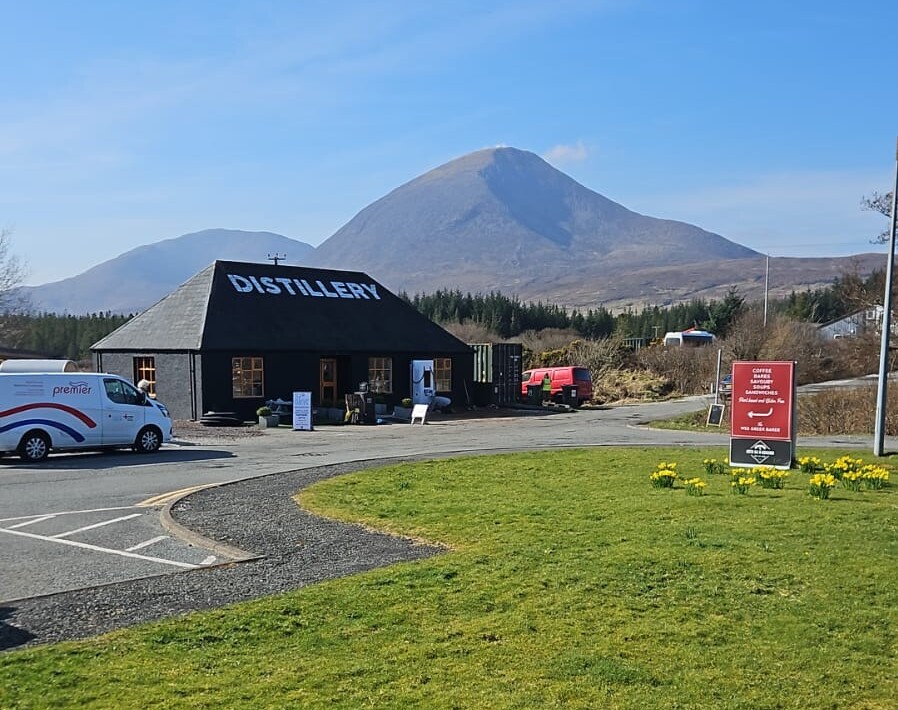
Three programmes only — pick the route that matches who owns the land, who uses the chargers, and how public the outcome is. Each card uses the same hero imagery as the target landing so you can see the programme “at a glance.”

Ready to Claim Your Share of the Fund?
2026/27 funding is typically allocated on a first-come, first-served basis. With 100% funding available for island and very remote sites in qualifying bands, demand is high — line up survey and paperwork early.
Let’s secure your grant pathway and turn your rural site into a high-powered charging destination.
Disclaimer: ZOLB EV is an independent installer. Funding is provided by Transport Scotland and administered by Energy Saving Trust. All grants are subject to availability and official terms — confirm reopening dates, tiers and innovation rules on official programme pages before you commit to spend.