


- Blog
- Commercial
- What Does EV Stand For? Your Simple Guide to Electric Vehicles
What Does EV Stand For? Your Simple Guide to Electric Vehicles
Ever been scrolling through car adverts or driving past a shiny new charger and thought: “Everyone keeps talking…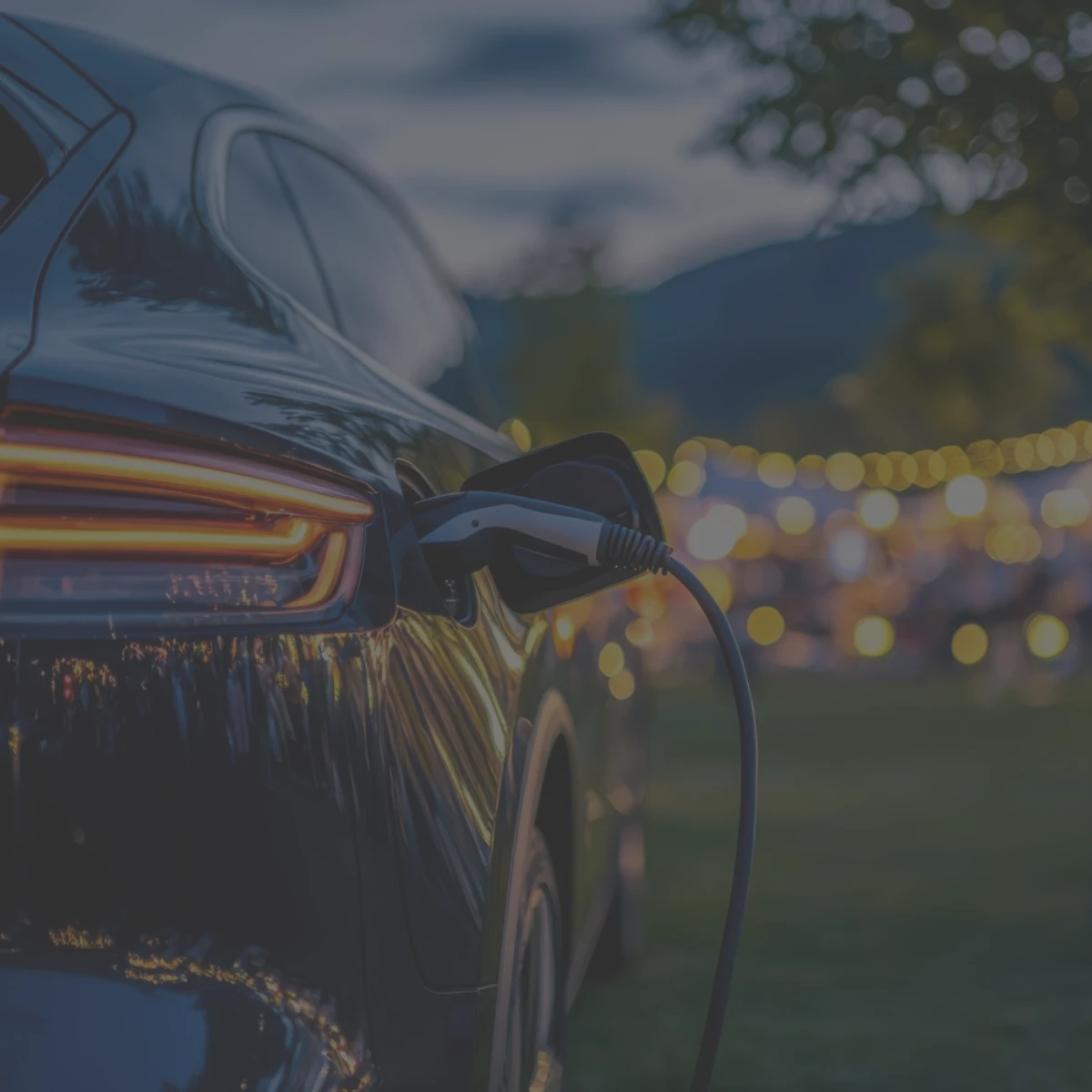
Ever been scrolling through car adverts or driving past a shiny new charger and thought:
“Everyone keeps talking about EVs… but what does EV stand for?”
Good news, you’re definitely not the only one.
EV stands for Electric Vehicle.
In simple terms, it’s any vehicle powered by one or more electric motors using electric power, usually using energy stored in a battery instead of burning petrol or diesel.
Sounds straightforward, right?
Until you dive in, and suddenly you’re drowning in a sea of letters:
BEV. PHEV. HEV. kW. kWh. AC. DC.
At that point, it stops feeling like car shopping and starts feeling like homework.
That’s where we come in.
This guide from ZOLB EV, specialists in EV charging solutions across the UK, breaks everything down in clear, human language. No engineering degree. No jargon overload.
Stick with us for a few minutes and by the end you’ll not only know exactly what EV stands for, you’ll also be fluent in the key acronyms that actually matter when you’re choosing a vehicle or thinking about installing chargers.
So… What Does EV Stand For?
Let’s answer the core question clearly:
EV = Electric Vehicle
In everyday use, EV usually means a car, van, bus or other vehicle powered by electricity rather than a traditional internal combustion engine (ICE). The power typically comes from a rechargeable battery pack that feeds one or more electric motors.
Because EVs don’t burn fuel while driving, they produce no tailpipe emissions, which is why they’ve become central to the UK’s plans for cleaner transport.
Electric Vehicle Basics (Without the Tech Headache)
You don’t need to be an engineer to understand EVs. At a simple level:
- You “fuel” an EV by plugging it into a charger, at home, at work, or at a public electric vehicle charging station (like those installed by ZOLB EV for businesses, hotels and attractions).
- The battery stores electrical energy, a bit like a giant version of the one in your phone or laptop.
- The motor uses that energy to turn the wheels, smoothly and quietly, with instant torque.
That’s it. Under the acronyms and tech, an EV is just a vehicle that swaps fuel pumps for plug sockets.
The EV Acronym Cheat Sheet
Once you know EV = Electric Vehicle, you’ll start noticing lots of related abbreviations. Here are the key ones you’ll see again and again.
1. Types of Electric Vehicle
These describe what sort of electric vehicle you’re dealing with.
EV – Electric Vehicle
The catch-all term. In many contexts, people say “EV” when they specifically mean a fully electric car, but technically, it can include hybrid vehicles and other electrified vehicles, too.
BEV – Battery Electric Vehicle
A fully electric vehicle with no petrol or diesel engine at all. It runs only on electricity stored in its battery. When people talk about “pure electric cars”, they usually mean BEVs.
- Example: Most Tesla models, Nissan LEAF, Hyundai IONIQ 5.
HEV – Hybrid Electric Vehicle
A hybrid has both a combustion engine and a small electric motor and battery. The battery is charged by the engine and regenerative braking, you don’t usually plug it in.
- Example: Many “self-charging hybrids” on UK roads.
PHEV – Plug-in Hybrid Electric Vehicle
A plug-in hybrid is like a hybrid, but you can plug it in to charge. It has:
- A battery big enough for short all-electric trips (often 20–40 miles), and
- A petrol or diesel engine for longer journeys.
Great if you want to dip your toe into electric driving without going fully electric.
MHEV – Mild Hybrid Electric Vehicle
A mild hybrid uses a small electric motor to assist the engine (for example, when pulling away) and to help save fuel. It can’t drive on electricity alone.
FCEV – Fuel Cell Electric Vehicle
Instead of a large electric battery, FCEVs use hydrogen. A fuel cell converts hydrogen into electricity on board, which powers the motor. They’re still “electric vehicles”, just with a different way of storing energy.
ZEV – Zero Emission Vehicle
A ZEV is any vehicle that produces no exhaust emissions when driven, for example, a BEV or hydrogen FCEV. ZEVs sit at the heart of the UK’s transition away from petrol and diesel.
2. Charging & Energy Terms (The Ones on Charge Points)
Now for the abbreviations you’ll see on charge points and spec sheets, especially relevant if you’re thinking about installing EV charging or electric vehicle supply equipment at your business or venue.
AC & DC
These describe the type of electricity:
- AC (Alternating Current) – What comes from the grid and most standard chargers. Ideal for slower “top-up” charging at workplaces, hotels and destinations.
- DC (Direct Current) – Used by rapid and ultra-rapid chargers for fast charging on the go (e.g. motorway services).
ZOLB EV provides both AC and DC charging solutions, depending on how quickly your visitors need to charge and how your site is used.
kW – Kilowatt
kW measures power – how fast energy is being delivered. In EV terms, it’s the charging speed or motor power.
- A 7 kW charge point suits homes and smaller car parks.
- A 22 kW AC charger (like ZOLB EV’s dual-port commercial units) is ideal for destinations and workplaces.
kWh – Kilowatt-hour
kWh measures energy, like “litres of fuel” for electricity.
- Your EV’s battery size is in kWh, for example, 60 kWh.
- If you charge at 22 kW for one hour, you’ve received 22 kWh of energy (minus a bit of loss).
SOC – State of Charge
This is just how full the battery is, shown as a percentage, a bit like your phone’s battery indicator:
- 20% SOC = nearly empty
- 80% SOC = comfortably charged
RFID – Radio-Frequency Identification
Many networks use RFID cards or fobs to start and stop a charging session. You tap your card on the reader, and the charger recognises your account.
OCPP – Open Charge Point Protocol
You might not see this on-screen, but OCPP is an open standard used so that charge points can talk to back-office software. It matters to businesses because it allows smarter features like:
- Monitoring usage
- Setting tariffs
- Remote diagnostics
ZOLB EV’s software uses these kinds of smart standards behind the scenes to keep charging simple for drivers and manageable for site owners.
3. UK Policy & Grant Acronyms
EVs don’t just change how we drive; they’re also reshaping policy and incentives.
OZEV – Office for Zero Emission Vehicles
OZEV is the UK government team supporting the transition to zero-emission vehicles. They provide grants and funding for EV charging infrastructure, helping businesses and landlords reduce the up-front cost of installing chargers.
ZOLB EV helps organisations navigate these OZEV grants and choose the right charger mix for their site.
ZEV – Zero Emission Vehicle (again!)
As above, ZEV is both a vehicle type and a key term in government regulation, for example, the UK’s ZEV mandate, which sets targets for how many new vehicles sold must be zero-emission.
Does EV Always Mean “Electric Vehicle”?
In the context of cars and transport, yes, EV almost always means Electric Vehicle.
But in other industries, EV can stand for:
- Enterprise Value (finance)
- Expected Value (statistics)
- Exploded View (engineering)
That’s why “what does EV stand for?” can look like a simple question but have different answers depending on who you’re talking to. If you’re reading this on ZOLB EV’s site, though, it’s safe to assume we’re talking Electric Vehicles.
Why EVs Matter for Drivers and Businesses
Understanding the terminology isn’t just for car enthusiasts, it’s increasingly part of everyday life.
For drivers
- Cleaner driving – No tailpipe emissions from BEVs, helping improve local air quality compared to petrol and diesel cars.
- Lower running costs – Electricity can be cheaper per mile than fuel, especially when charged off-peak.
- Quieter, smoother journeys – Instant torque and fewer moving parts make for a very different driving feel.
For businesses, venues and landlords
- Attract and retain customers – Drivers are actively looking for places they can charge while they stay, shop, eat or work.
- Unlock a new revenue stream – Well-placed commercial chargers can generate significant extra income. ZOLB EV’s case studies show businesses adding around £1,200 per month in additional revenue with the right set-up.
- Support sustainability goals – Providing EV charging helps demonstrate your commitment to ESG and net-zero targets.
ZOLB EV works with hotels, retail parks, workplaces, leisure destinations and more to design reliable, scalable charging solutions that work for both drivers and site owners.
Ready to Turn “EV” Into an Opportunity?
By now, you’re ahead of most people:
- You know EV stands for Electric Vehicle
- You understand the different types: BEV, PHEV, HEV, FCEV
- You’ve seen that terms like kW, kWh, AC and DC aren’t as complicated as they look
- And you get that EVs aren’t a fad, they’re the future of transport
The only real question left is:
Are you going to watch that future drive past… or plug into it?
If you’re a business, hotel, attraction, landlord or workplace, EVs aren’t just about being “green”, they’re a chance to:
Show customers, guests and stakeholders you’re serious about sustainability
Attract drivers who actively choose where to stay, shop and work based on charging
Keep visitors on-site for longer (and spending more) while they top up
Add a new, predictable revenue stream from your parking spaces
Make Your Site a Go-To Charging Destination
That’s where ZOLB EV comes in.
We design, install and manage reliable, smart EV charging solutions tailored to your site, so you don’t have to become an energy expert or wade through acronyms and grants on your own.
Just a clear plan to turn your car park into an asset that works harder for you
No tech overwhelm
No guesswork on charger types or locations
Just a clear plan to turn your car park into an asset that works harder for you
Ready to Get Started?
Take the next step today: talk to ZOLB EV about the right charging solution for your site.
Tell us about your location, your visitors and your goals, and we’ll show you what’s possible, from quick-win installs to future-proofed charging hubs.
Turn “EV” from three confusing letters into something powerful:
extra footfall, extra revenue, and a smarter, more sustainable business.

Understanding EV Charging Point Regulations: What They Mean for You and Your Business
As the UK moves…
Read article
Essential Guide to EV Charger Maintenance Tips
As the UK accelerates…
Read article
Electric Boat Charging: Powering the Future of Sustainable Boating
The maritime industry is…
Read article